Need Cash Between Invoices? How a Business Line of Credit Works
Est. 4 min read · November 23, 2026
The work is already done, or the inventory is already on the way, and the cash to cover payroll or a supplier has not landed yet. That gap is a timing problem as often as it is a demand problem. A business line of credit is one tool owners use to bridge those stretches. Here's the first tip to take with you: a line is most useful when you can say when the cash comes back in, and when you treat the available credit as a tool, not as money already in the bank.

What a business line of credit is
A business line of credit is a revolving amount a lender makes available, up to an approved limit, for as long as the account stays open and in good standing. You draw what you need, repay it, and can draw again, without starting a brand-new loan each time the same kind of gap appears.
In a typical structure, interest accrues on the amount you have drawn, not on the unused portion of the limit. Confirm that in the agreement, because pricing and conditions are set by the lender and they vary. Fees, draw rules, and repayment schedules belong in the same reading.
The honest reality: the headline is the limit; the part that matters day to day is how draws, repayments, and reviews actually work.

When a line fits, and when a lump sum fits better
A line of credit is built for needs that come and go: a slow receivables week, a supplier deposit, a repair, or a short chance to buy inventory at a good moment. If the need is a single, defined investment, such as a renovation or a piece of equipment you plan to keep, a term loan is often the cleaner structure, because you receive a lump sum and repay it on a set schedule.
Invoice factoring is a different tool again: it is a way to advance cash against outstanding invoices, rather than to borrow against a credit limit. If unpaid invoices are the constraint, start by naming that clearly. Our plain-English factoring guide walks through that option.
Write down whether the need is one-time or ongoing, and when cash usually returns. Those two notes will do more to point you toward the right conversation than starting with a product name.
The honest reality: a revolving line shines on a repeating gap. A one-time project usually wants a one-time loan.
What to watch once a line is open
An open line is not a permanent pile of cash. Lenders often review accounts, and a limit can be reduced or not renewed. Some agreements require updated financials, a clearing of the balance from time to time, or notice before a large draw. Read those conditions before you lean on the line for something you cannot quickly repay.
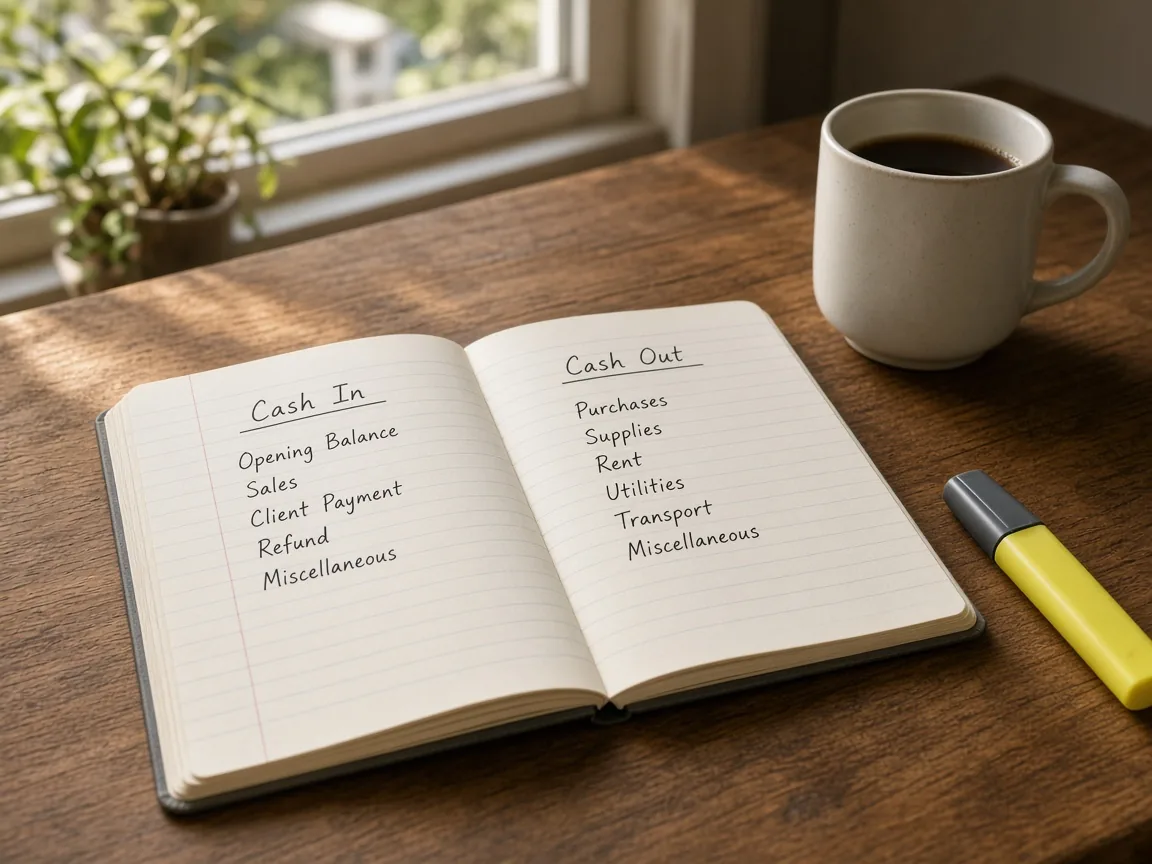
Plan draws against a date you can point to: an invoice due, a seasonal uptick you have seen before, or a contract already in hand. If you cannot name when the money comes back, pause and look at the use again before you draw.
Compare offers on more than the advertised limit. Look at fees, how interest is charged, how long the line is open, what can trigger a review, and what happens if you need to close it. The lender makes those terms; your job is to put two offers side by side and see the full picture.
The honest reality: unused credit can change. Borrow against a plan, not against the number on a letter.

Simple steps you can take this week
- Name the constraint in one sentence: receivables, inventory, a growth order, or a one-time bill.
- Write down when the cash usually comes back in, and whether the need is one-time or ongoing.
- List existing business credit, balances, and any required payments already on the calendar.
- Gather recent business bank statements and a simple summary of monthly inflows and outflows.
- Jot down the questions you want answered about reviews, fees, and how interest is charged on draws.
If a line of credit might be a fit, or if you want to compare it with a term loan or another working-capital option, Call 4 Capital can help you organize the picture. We help you compare options from our lending partners; the lenders make the approval decisions. We do not extend lines of credit ourselves, and we cannot promise an approval, a price, or a timeline.
Learn more on our Business Line of Credit page, get in touch, or start an application.