Need a New Truck, Oven, or Machine? How Equipment Financing Works
Est. 4 min read · November 23, 2026
The work is there. The oven is too small, the truck is spending more time in the shop than on the road, or a new machine would let you take jobs you currently have to turn down. Paying cash would drain the account you need for payroll and inventory. That's the moment equipment financing is meant to address. Here's the first tip to take with you: match the payment to a slow month, not only to a busy one, and make sure you know who owns the equipment when the term ends.
What equipment financing is
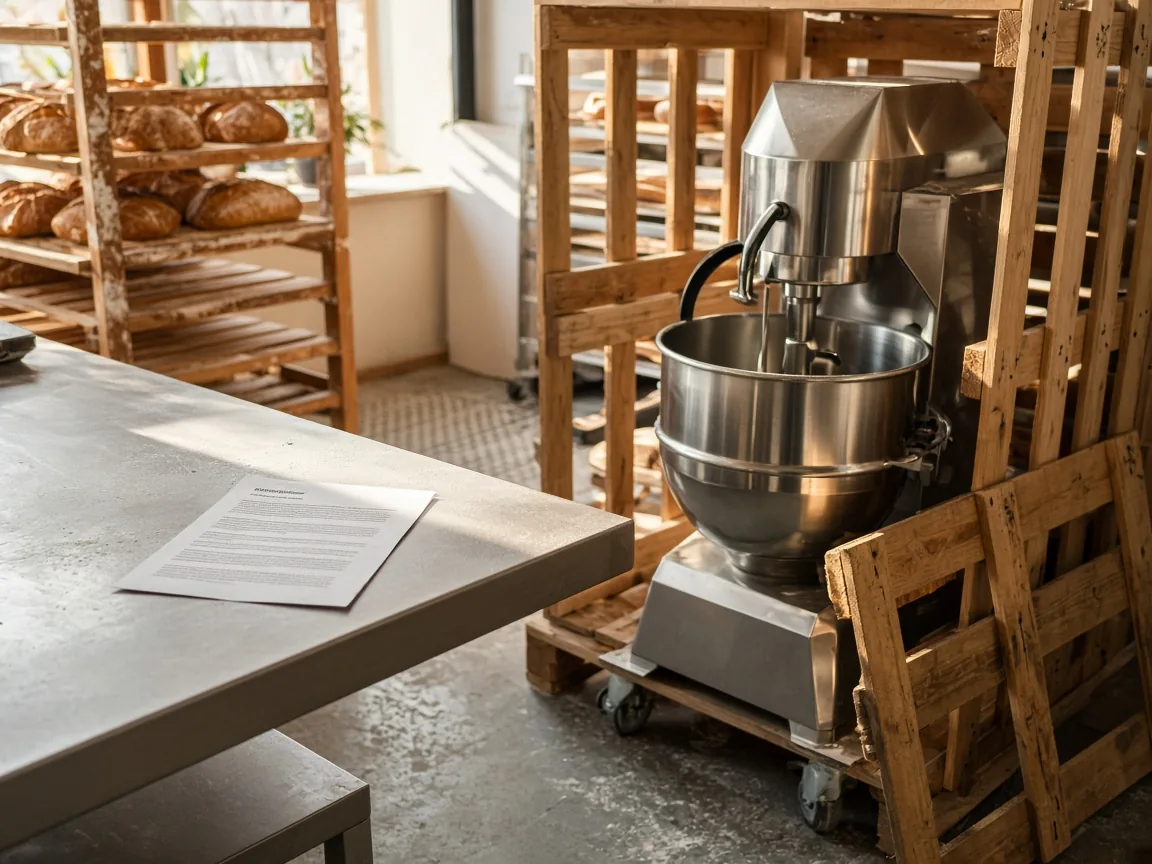
Equipment financing is a way to acquire the tools your business uses to do the work, without paying the full price in one lump sum. In a common loan structure, you borrow to buy the equipment and repay the lender over a set period, and you often own it once the loan is paid. In a common lease structure, you use the equipment in exchange for scheduled payments, and the agreement spells out whether you can buy it at the end, return it, or extend the term.
The equipment itself is frequently part of the collateral, which is one reason this kind of financing is discussed separately from a general working-capital loan. Installation, delivery, training, or software sometimes can be included and sometimes cannot. That belongs on the quote, not assumed later.
The honest reality: this product is built around a specific asset. If the funds are really for payroll or a general cash gap, a different conversation is usually a better start.
Loan or lease, and why the ending matters
The monthly figure is only one line. The ending of the agreement is the other.
If you expect to use the equipment for a long time and want to own it, look first at a loan or at a lease with a clear purchase option. If you expect to upgrade on a shorter cycle, a lease with a return or refresh option can be a better match, provided the turn-in conditions are clear. Read what happens if you want to pay off early, if the equipment is damaged, or if your needs change mid-term.
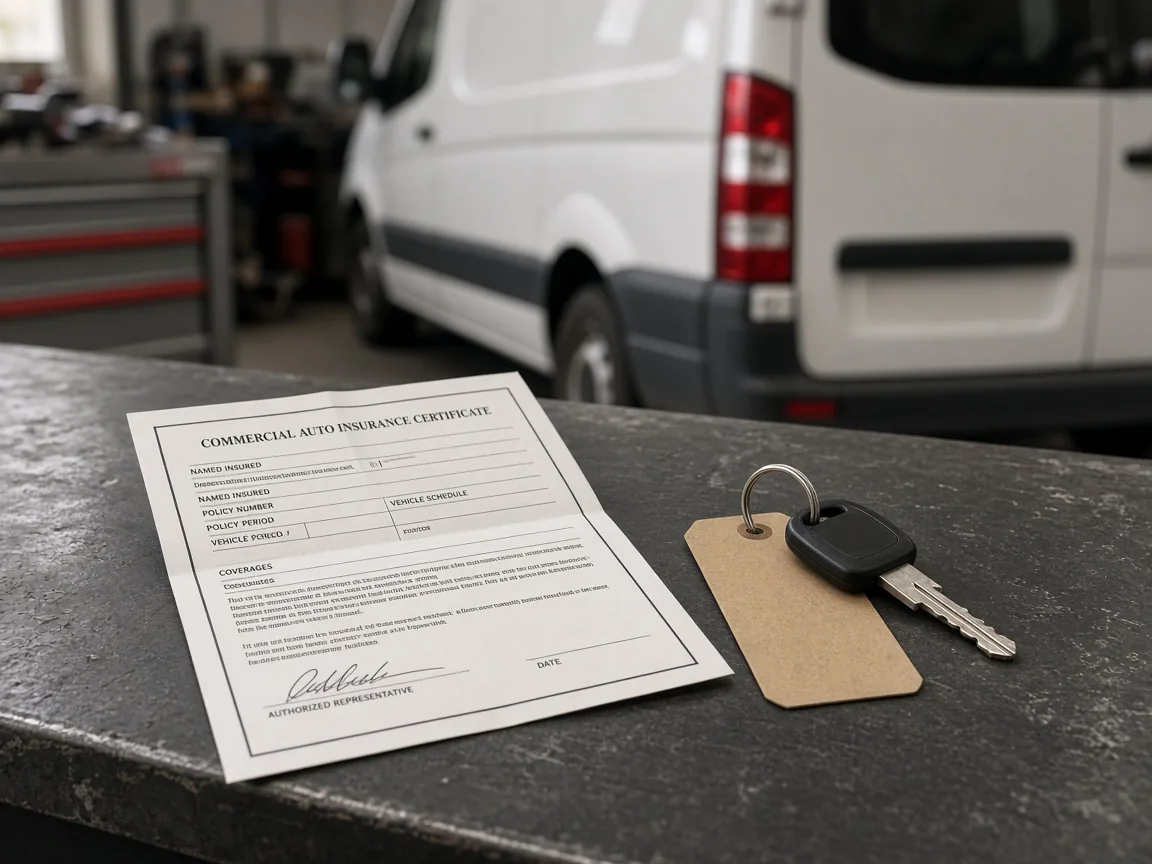
Title, insurance, and maintenance responsibilities should be in the documents, not left as a handshake understanding. Ask who holds title during the term, what insurance the lender or lessor requires, and what "ordinary wear" means if you have to return the equipment.
The honest reality: two offers with a similar payment can end very differently. Compare the ending, not only the monthly number.
What to look at before you sign
Write down the equipment, the vendor, whether it is new or used, and how long you expect to use it. Then put the useful life next to the proposed term. Financing an asset longer than you will use it, or shorter than it will take to earn its keep, is how a helpful tool becomes a squeeze.
Ask each lender or lessor to walk you through the full cost: fees, what is and is not included, the end-of-term options, and any conditions tied to the equipment itself. Pricing, term length, and approval conditions are set by the lender or the financing partner; they vary by file and by asset.
Tax treatment of payments, depreciation, or a lease versus a purchase can matter, and it depends on your situation and the agreement. That is a question for your own tax advisor, not a reason to assume a write-off.
The honest reality: a complete quote and a clear end date will tell you more than a quick yes.

Simple steps you can take this week
- List the equipment you need, the vendor, a written quote, and whether it is new or used.
- Write down how the equipment will help the business earn or save money, and when that help should start.
- Note how long you expect to use it, and whether you want to own it at the end.
- Ask what insurance, installation, or maintenance the agreement requires.
- Compare at least two offers on total cost, term, and end-of-term options, side by side.
If you are preparing to add or replace equipment, Call 4 Capital can help you organize the quote and compare financing structures. We help you compare options from our lending partners; the lenders make the approval decisions. We do not finance equipment ourselves, and we cannot promise an approval, a price, or a timeline.
Learn more on our Equipment Financing page, get in touch, or start an application.