
Found a House That Needs Work? How Investors Get a Property Under Contract
One House, Start to Finish · Part 1 of 5
Est. 4 min read · November 23, 2026
Series: 1. Under contract · 2. Financing (coming Thu, Nov 26) · 3. Renovation (coming Mon, Nov 30) · 4. Sale (coming Thu, Dec 3) · 5. Rent or refinance (coming Sat, Dec 5)
Most great renovations start with a house nobody else wanted to look at twice. Faded brick, rusty porch posts, a lawn that gave up a few summers ago. Where one person sees work, an investor sees a porch light on, fresh paint and a family on the steps. That gap between what a house is and what it could be is where the opportunity lives.
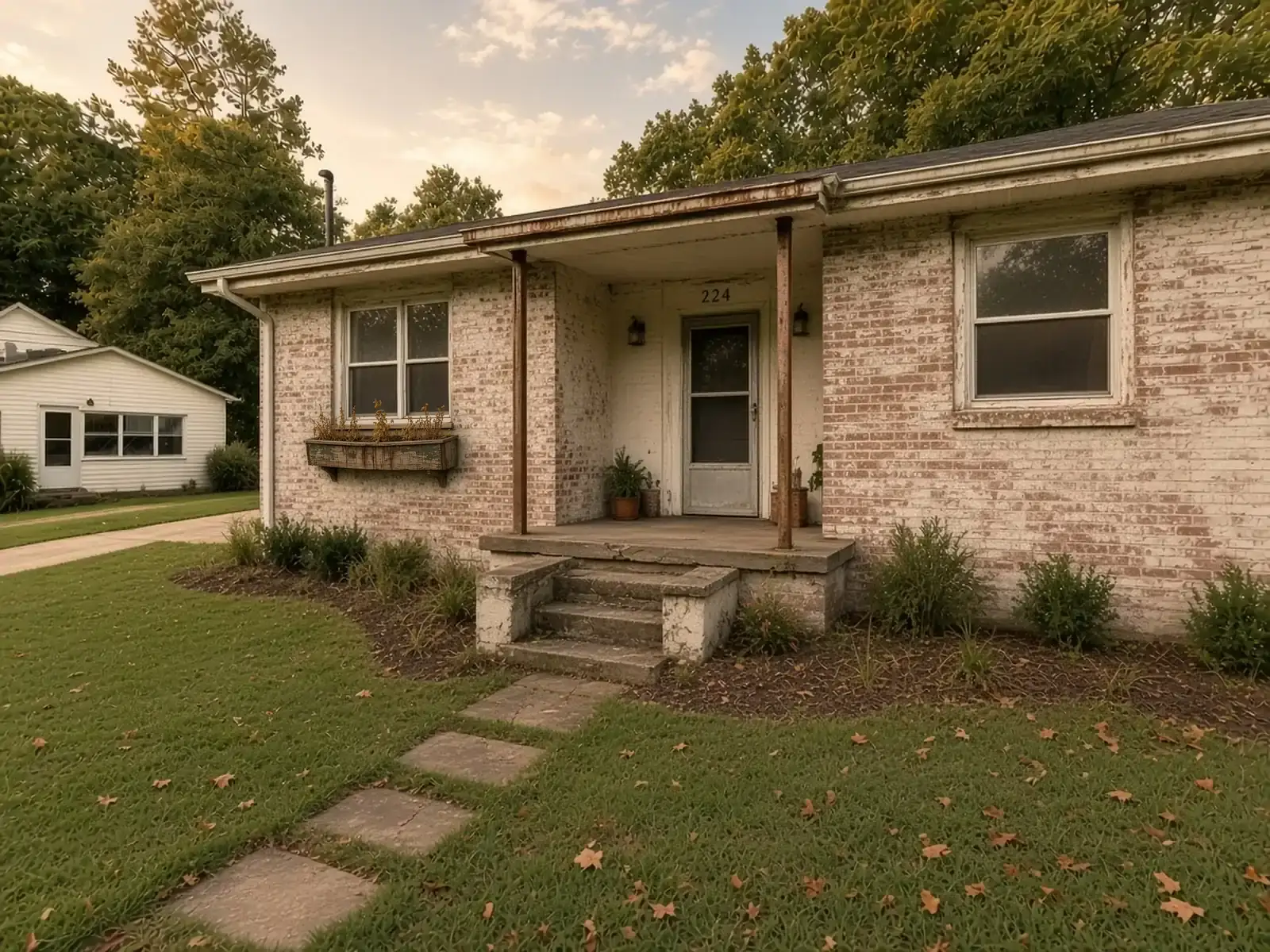
This series follows one house, start to finish: finding it, funding it, renovating it, and then either selling it or keeping it as a rental. Part 1 starts at the beginning: spotting the potential and signing a contract with financing in mind. Here's the first tip to take with you: before you fall for a house, size it up with three numbers, which are the purchase price, the cost of the work and what it should be worth once it's finished.
What makes a house a good project
An investment property is judged less by how it looks today and more by what it can become. Investors usually think in three numbers: what the house costs to buy, what the work costs, and what the finished house is likely to be worth, often called the after-repair value. Comparable sales of renovated homes nearby are the usual starting point for that last number.
The house in this series is a good example. The bones are solid: a simple roofline, a covered porch and a quiet street. The problems are mostly cosmetic and visible, which makes them easier to price. Hidden structural or system issues call for a bigger cushion. The honest reality: the numbers matter more than the curb appeal, and that's good news, because numbers can be learned.
Walking the property with a plan
A walkthrough is where the deal starts to take shape. Investors often bring a contractor, a flashlight, a tape measure and a checklist, and they look at the roof, foundation, plumbing, electrical, heating and cooling, windows and floors. Each item becomes a line in a rough scope of work with a cost beside it.
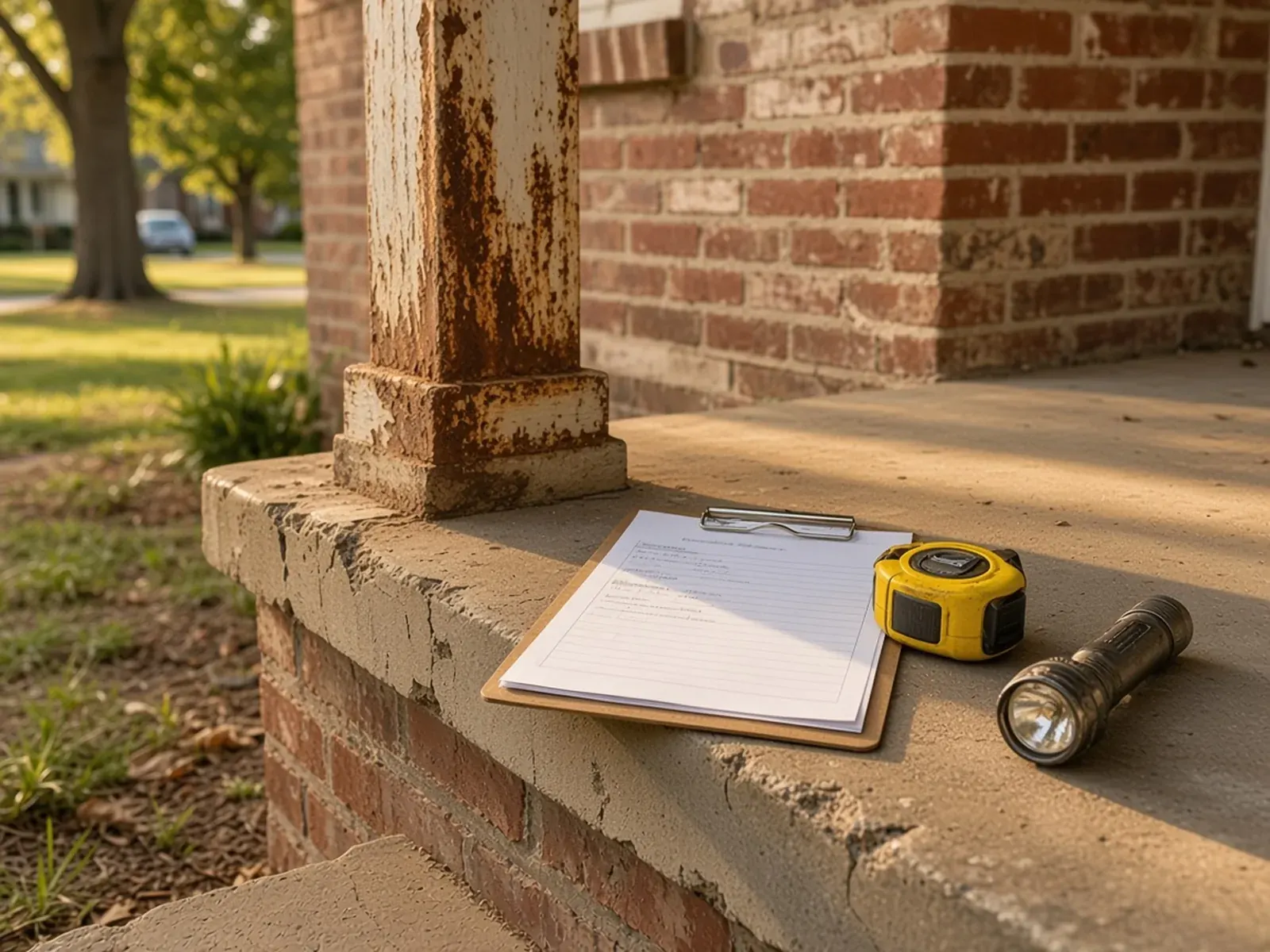
That rough scope helps set the offer, and it becomes the first page of the deal package covered in Part 2, coming Thursday, Nov 26.
What "private money" means for a purchase like this
A house that needs real work often doesn't fit a typical home mortgage, which is built for someone moving in. Many investors use what's broadly called private money, hard money or investor financing: shorter-term loans from private lenders and funds, built around the property and the plan rather than a residence.
These loans are often asset-based, so lenders look closely at the property, the numbers and the exit, meaning how the loan gets repaid when the project is done, usually through a sale or a refinance. "Private money" isn't one product, and terms vary by lender and by deal, so it's worth asking how any loan is structured, what it covers and how it's meant to be repaid. Our fix-and-flip financing guide goes deeper on how these loans usually work.
Writing an offer with financing in mind
The purchase contract sets the timeline for everything after it. A few terms matter especially for a financed project:
- Closing date. Investor financing has its own steps, including an appraisal or valuation and a review of the plan. A realistic closing date leaves room for them.
- Inspection period. Time to confirm the scope of work before committing fully.
- Financing terms. Whether the offer depends on securing financing, and for how long.
Every contract is different, and a real estate attorney or agent is the right person to explain what a specific contract means.
The first summary of the deal
Before the ink dries, many investors write a one-page deal summary: the address, the price, the planned work and budget, the expected value after repairs, the timeline and the plan to repay the loan. If it fits on a page and still makes sense, that's a strong sign. That page travels with the house through every chapter that follows.
Simple steps to get a promising house under contract
- Pull three or four recent sales of renovated homes nearby to sketch an after-repair value.
- Walk the house with a contractor and turn what you see into a line-item scope of work.
- Run the numbers at a slightly lower sale price and a slightly longer timeline to see how much room the deal has.
- Write a one-page deal summary before making the offer.
- Talk through financing options early, so the contract's dates fit the funding.
If you're looking at a house with potential, Call 4 Capital can help you talk through the deal and the questions lenders often ask. As a broker, we help you compare options from our lending partners; the lenders make the approval decisions. There's a short overview of our real estate investment capital services on our site.
Next in the series: the house is under contract, and it's time to fund it. Part 2: How a Real Estate Deal Gets Financed, coming Thursday, Nov 26.