
Under Contract and Ready to Fund? How a Real Estate Deal Gets Financed
One House, Start to Finish · Part 2 of 5
Est. 4 min read · November 26, 2026
Series: 1. Under contract · 2. Financing · 3. Renovation (coming Sun, Nov 29) · 4. Sale (coming Wed, Dec 2) · 5. Rent or refinance (coming Sat, Dec 5)
The contract is signed, and now the plan gets put on paper. For house 224, that means turning a walkthrough, a scope of work and a one-page summary into a file a lender can follow.

In Part 1, the house went under contract with financing in mind. Here's the tip for this chapter: when you compare loan offers, line them up on total cost for the whole project, not just the interest rate, because points, fees and extension terms can change the picture.
Where financing fits between contract and closing
Between signing and closing, investor financing usually moves through a review of the deal and the borrower, an appraisal or valuation, conditions to clear, and then closing. Reviews often consider some mix of the contract, the scope and budget, the after-repair value, the exit plan, experience and reserves. Each lender sets its own requirements, and the order can vary. The plain reality: the lender decides what it needs, and a clear, complete file makes each of those steps easier.
How a flip-style loan is shaped
A loan for a renovation project is usually short-term and made for a property the borrower won't live in. It often goes by names like private money or investor financing; look past the label and ask how it's structured, what it covers and how it's meant to be repaid, usually by a sale or refinance, not over decades. It often covers part of the purchase plus a rehab reserve, released as the work gets done. Plan on some of your own funds and closing costs in the deal; how much varies. Lenders size these loans using some mix of purchase price, renovation budget and after-repair value, and different formulas produce different numbers. Personal credit can help in some programs and matter less in others, which is why comparing options opens doors. Our fix-and-flip financing guide walks through how these loans are commonly structured.
Building the deal package
The deal package is the one-page summary from Part 1, grown into a labeled folder. A simple version includes:
- The deal summary. Address, price, planned work, after-repair value, timeline and exit.
- The property and the contract. Photos and a description, plus the signed agreement and any addenda.
- The scope and budget. Line items with costs, plus a contingency.
- Comparable sales. The renovated homes that support the after-repair value.
- Experience or team. Past projects, or the contractor and partners on this one.
- Entity documents and reserves. Formation documents, who owns and signs, and reserves you can actually use.
You don't need a polished pitch deck. You need a consistent story, where the numbers on every page match, and conservative figures you can stand behind.
Experience, team and reserves
Every seasoned investor started with a first project. If this is yours, lead with a conservative budget, a contractor with a track record, real reserves and, if you have it, a short list of what you bought, spent and how you exited. A newer investor's file often gets a closer read, so let the plan, the team and the cushion do the talking.
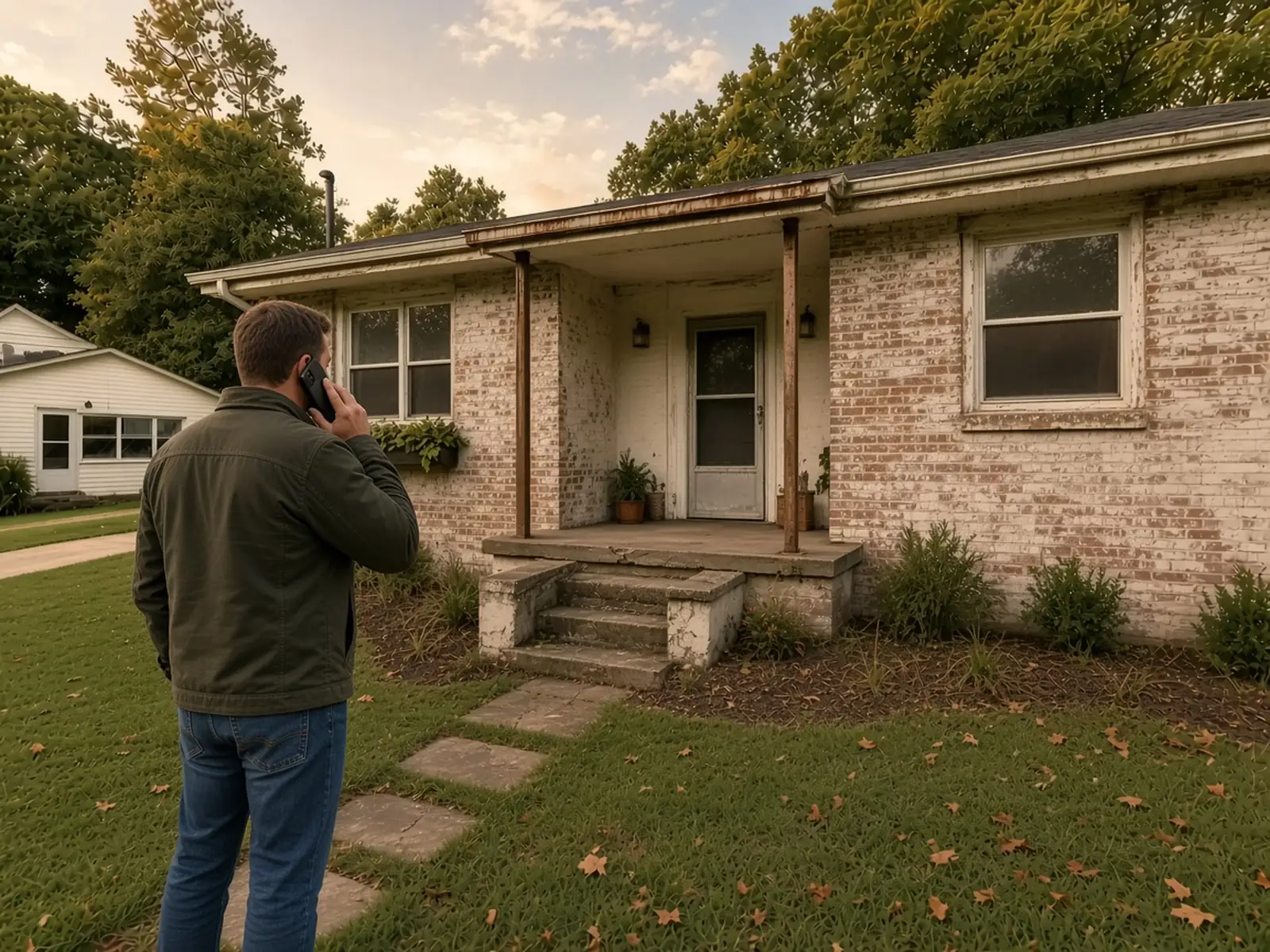
Comparing offers on total cost
For each offer, list the interest rate, points, lender fees, whether payments are interest-only during the term, the length of the term and the extension terms. Then estimate what each would cost over the life of the project, including a version where the work runs longer than planned. The fix-and-flip guide's budget section shows how holding costs add up. The lowest headline number isn't always the lowest total cost.
Existing liens and partners
If the property, the entity or a partner has an existing loan, lien or agreement attached, put it on the table early. A new loan may need a payoff, a lender's consent or a review of existing covenants. Surprises late in a review slow things down, while early disclosure gives everyone time to plan around it. A real estate attorney is the right person for questions about entities, partnerships or contract terms.
Simple steps to get a deal ready to fund
- Assemble the deal package in one labeled folder, starting with your Part 1 summary.
- Add a second column to your numbers at a lower sale price and a longer hold.
- List your team: contractor, agent, attorney and anyone else on the project.
- Confirm the entity that will own the house and who will sign.
- Compare at least two offers on total cost and terms, side by side.

If your house is under contract and you're getting ready to fund it, Call 4 Capital can help you organize the package and understand the terms in front of you. We help you compare options from our lending partners; the lenders make the approval decisions. There's a short overview of our real estate investment capital services on our site.
Next in the series: the money is in place, and the work begins. Part 3: How Rehab Budgets and Draws Keep It Moving, coming Sunday, Nov 29. Missed the start? Go back to Part 1: Getting a Property Under Contract.